Struck by a Driver While Crossing in San Antonio?
The driver’s insurer has a script for pedestrian cases, and it opens by blaming you. You stepped out too fast, you were not in a crosswalk, you were looking at your phone. Every version points away from the driver and onto the person on foot, because in Texas that fault translates directly into a smaller check or no check at all.
The adjuster who calls within days is not gathering facts to help you but building the record that protects the company’s money.
A determined San Antonio pedestrian accident lawyer rewrites that script with facts about what the driver did.
Pedestrians take the worst of these collisions, whether crossing near the River Walk or walking wide arterials like Bandera Road where drivers rarely expect anyone on foot, and the earlier a case is built correctly, the harder it becomes for the company to sell a version that never matched the evidence.
Call (512) 254-4424 for a free consultation, available 24/7. You pay nothing unless we win.
Our San Antonio Pedestrian Accident Attorney

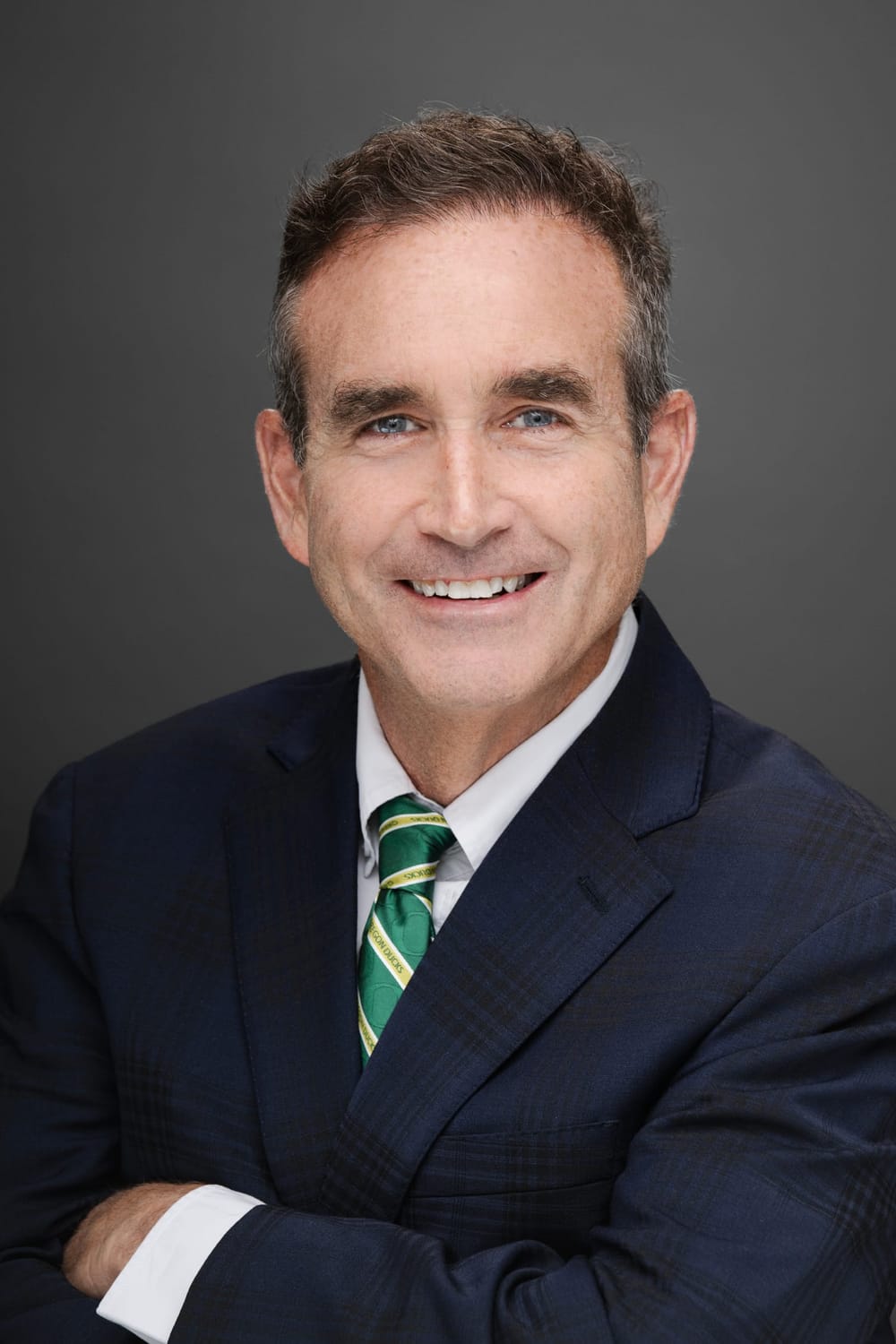
He is a Lifetime Member of Best Attorneys of America, was named to the Top 100 Civil Plaintiff Attorneys by The National Trial Lawyers, and is admitted to the State Bar of Texas.
Read Matthew Kotzen’s full profile →“I spent years building cases for insurance companies. Now I use that same playbook to make sure they pay what they actually owe.”
Goldberg & Loren Fights for Maximum Compensation


Pay Nothing, Unless We Win
Texas Injury Law at a Glance
| Deadline to file a lawsuit | Two years from the date of the injury. Tex. Civ. Prac. & Rem. Code § 16.003 |
| Fault rule | Modified comparative responsibility ("51% bar"): you recover only if you are 50% or less at fault, and your award is reduced by your share. §§ 33.001, 33.012 |
| Reporting the crash | Notify police immediately when there is injury, death, or a vehicle that cannot be driven away safely. Tex. Transp. Code § 550.026 |
How a Pedestrian Accident Attorney Pushes Back When Insurers Blame You
Blaming the pedestrian is the defense playbook because it works when no one challenges it. If the insurer can convince a Bexar County jury that you were mostly at fault, Texas law lets it pay far less or nothing, so countering that story means showing the driver held the duty and broke it. That is the fight Goldberg & Loren takes on.
Witnesses, signal timing, and physical evidence rarely support the tidy account the adjuster wants, and a crosswalk signal in your favor or a driver who admitted glancing at a phone can change the entire direction of a claim.
The Jaywalking Accusation and Texas Right-of-Way Law
The jaywalking accusation is the insurer’s favorite, and it is often wrong. Chapter 552 of the Texas Transportation Code spells out when a pedestrian holds the right-of-way and when a driver must yield, and a crosswalk does not have to be painted to exist: at most intersections, one is present in the eyes of the law whether or not anyone marked the pavement.
Even a pedestrian crossing mid-block still has rights, and the driver still owes a duty of reasonable care under the same chapter.
When the Driver Had the Duty to Yield
Drivers must yield to pedestrians in marked and unmarked crosswalks and must slow or stop to avoid hitting anyone on the roadway. A driver turning right on red who never checked the crosswalk, or one racing a yellow on Fredericksburg Road, has broken that duty before the collision.
Left turns cause a large share of these crashes because the driver is watching for a gap in oncoming traffic, not for the person legally crossing the side street. That failure to look belongs to the driver, not to you, and the statute frames it that way.
How Comparative Fault Can Still Reduce a Payout
Texas uses modified comparative fault under Chapter 33 of the Civil Practice and Remedies Code, so any fault a jury assigns to you shrinks your recovery by that percentage, and crossing the 51% line erases it entirely. If a claim is worth 500,000 dollars and the jury places 20% of the fault on you, the recovery drops to 400,000 dollars.
Every point the defense assigns carries a real price, so fault is fought over long before damages are discussed.
Evidence That Proves the Driver Was at Fault
Fault in a pedestrian case is decided by what the physical evidence, the witnesses, and the data can be shown to prove, and that evidence fades fast: skid marks wash away, vehicles get repaired, and cameras overwrite their footage within days, so a claim that moves quickly preserves proof a claim filed months later has already lost.
Physical Evidence and Vehicle Data From the Scene
The physical scene records what happened before anyone gives a statement. The point of impact, the distance the vehicle traveled after braking, and where your body came to rest all point to speed and reaction time, and a reconstruction expert can read those marks to calculate a speed that often contradicts what the driver reported.
The event data recorder in many vehicles captures speed, braking, and throttle in the final seconds and can show a driver who never braked before striking someone, while phone records can establish a call or text at the moment of impact.
Witness Statements and the Bexar County Crash Report
A San Antonio Police Department officer files a report noting the location, conditions, and often an opinion on contributing factors, and a citation issued to the driver matters in negotiations. That report is a starting point, not the final word.
Independent witnesses matter because they have no stake in the outcome: a bystander who saw the walk signal in your favor, or a driver stopped at the same light on Bandera Road who watched the other car run the yellow, can settle the right-of-way question outright, so locating them early often decides the fault fight.
Why Pedestrian Crashes Happen Across Bexar County
Most pedestrian crashes trace back to a driver who failed to look, not a pedestrian who darted into traffic. Left-turning drivers scanning for a gap miss the person already in the crosswalk, and right-on-red drivers watch for cars coming from the left and roll forward into someone crossing from the right.
Distraction, speed, and poor lighting fill out the rest: a driver checking a phone at 45 miles per hour on Culebra Road has no time to react, and impaired drivers leaving the River Walk after last call add danger to streets already full of people walking. Failure to yield while turning remains the most common cause.
Streets and Intersections Where San Antonio Pedestrians Get Hit
Certain parts of the city put people on foot at far greater risk, whether from heavy foot traffic or from road designs meant only for cars, and the danger climbs where crowds and fast traffic share the same pavement and lighting drops off after dark. Pedestrians face the most risk in areas like these:
- Downtown and the River Walk, packed with tourists crossing busy streets
- Wide arterials such as Bandera Road, Culebra Road, and Fredericksburg Road
- Loop 410 and Loop 1604 frontage roads with high speeds and long crossings
- School zones and neighborhood streets where children cross
Speed and inattention explain nearly all of them, but location shapes the rest.
A pedestrian struck at highway speed on a Loop 410 frontage road faces life-altering injuries a lower-speed neighborhood crash might not cause, and where a crash happens can decide whether a nearby business camera recorded it or whether the only account comes from the driver at fault.
Injuries That Follow a Pedestrian Collision
A pedestrian absorbs the full force of a collision with no frame, no airbag, and no seatbelt to soften it, and many victims are struck twice, first by the vehicle and again by the pavement.
That double impact is why pedestrian injuries tend to be more severe than those of people inside cars, and the severity gives the insurer another reason to minimize what happened, so documenting the full harm from the emergency room visit through every month of follow-up care protects the claim from a low early offer.
Head and Brain Injuries in Pedestrian Collisions
A traumatic brain injury can result from the head striking the hood, windshield, or ground, even when a victim never loses consciousness.
Symptoms like memory trouble, headaches, and mood changes sometimes appear days later, one reason a medical evaluation right after the crash matters, and a brain injury can change a person’s ability to work and live independently long after the visible wounds heal.
These injuries carry some of the highest lifetime costs, so an insurer that settles before those effects are clear saves money at the victim’s expense.
Broken Bones and Spinal Cord Damage
Fractures of the legs, pelvis, and hips are common because a car’s bumper strikes an adult near those points, and many require surgery, hardware, and months of limited mobility.
Spinal cord damage sits at the most serious end: an injury to the spine can bring partial or complete paralysis, a lifetime of medical care, and changes to a home and vehicle to accommodate a wheelchair, so a claim at that level has to account for decades of future needs, not just the bills already arrived.
Compensation After a Pedestrian Is Struck by a Vehicle in Texas
Compensation falls into two groups. Economic damages cover the losses you can document, including medical bills, future treatment, lost wages, and reduced earning capacity.
Noneconomic damages cover the harm that has no receipt, such as physical pain, permanent disability, and the disruption to your daily life, and that second group is where the insurer tries hardest to pay little. Settling before the full course of treatment is known is how injured pedestrians end up short.
Texas also sets a two-year statute of limitations under Section 16.003 of the Civil Practice and Remedies Code, so waiting too long can end a valid claim before it is ever filed.
How Pedestrian Injury Compensation Is Calculated
How much is a San Antonio pedestrian claim worth? No fixed formula sets the value, but the pieces are predictable. The starting point is the total of the economic losses, the bills already paid, the treatment still ahead, and the wages the injury cost you. From there the severity of the injury and its permanence push the noneconomic value up or down.
Fault then reduces the total under the comparative rule. If the full value of a claim is 300,000 dollars and the defense succeeds in assigning you 25% of the blame, the recovery falls to 225,000 dollars.
The available insurance also sets a practical ceiling, since a policy with a 100,000 dollars limit cannot pay a 400,000 dollars claim unless another source of coverage exists.
When the Driver Flees or Has No Insurance
Hit-and-run and uninsured drivers are a real problem in pedestrian cases, but a fleeing driver does not always mean no recovery. Your own auto policy may carry uninsured and underinsured motorist coverage along with personal injury protection, and both can pay even when you were on foot rather than behind the wheel.
Many people never realize their car insurance follows them as a pedestrian, and that overlooked coverage is often how these claims get paid when the driver cannot be found.
Personal injury protection is especially useful early because it covers medical bills and part of your lost wages regardless of fault. In a hit-and-run near a dark stretch of Fredericksburg Road, where no plate was recorded, that coverage can carry the immediate costs while the claim develops.
Reviewing every policy in the household often turns up coverage a victim did not know applied.
Fatal Pedestrian Crashes and Family Claims
When a pedestrian crash takes a life, Texas law allows the closest family members, a spouse, children, or parents, to bring a wrongful death claim, and these cases carry the same fight over fault.
A wrongful death claim can pursue the family’s lost financial support, companionship, and the expenses the death caused, including funeral and burial costs, while a survival claim can recover for the pain the victim endured before passing. The same two-year deadline applies, measured in most cases from the date of death.
Pedestrian Accident Attorneys
The insurer is already building a case that the crash was your fault. A San Antonio pedestrian accident lawyer builds the opposite record, showing the driver held the duty to yield and pursuing the full compensation your injuries call for, and the sooner that work begins, the more evidence survives.
Our team brings decades of experience to injury claims across Texas, with no fee unless we win, and the consultation is free and available any hour. You should not accept a fault percentage the insurer assigned on its own.
Call (512) 254-4424 today, or reach us through our contact page to start your free case review.
Answers for Pedestrians Injured on San Antonio Streets
Insurers start a pedestrian claim by looking for a reason to blame the person on foot. These are the questions injured pedestrians and their families ask us most. If yours is not covered, that is what the free consultation is for.
Who Is at Fault if a Pedestrian Is Hit Outside a Crosswalk?
Usually still the driver. Chapter 552 of the Texas Transportation Code creates a crosswalk at most intersections whether or not anyone painted it, and a pedestrian crossing mid-block keeps the right to reasonable care. San Antonio logged 917 pedestrian and cyclist crashes in 2024.
What Happens if the Driver Fled the Scene?
Your own uninsured motorist coverage usually steps in, because Texas treats a hit-and-run driver as an uninsured one. Report it to police right away and get the crash report number. Roughly 60% of San Antonio pedestrian crashes happen on TxDOT roads such as I-10, I-35 and US-90, where nearby businesses often hold the only footage.
What Is a San Antonio Pedestrian Injury Claim Worth?
No fixed formula sets it. Economic losses form the base, then severity and permanence move the noneconomic value. Fault cuts the total under Tex. Civ. Prac. & Rem. Code § 33.012, so a 25% share drops a $300,000 claim to $225,000. Insurance limits set the ceiling in a Bexar County case.
Can I Still Recover if I Was Partly at Fault?
Yes, up to a point. Texas modified comparative fault reduces your recovery by your share and bars it entirely at 51% (Tex. Civ. Prac. & Rem. Code §§ 33.001, 33.012). That cliff is why insurers push the jaywalking story so hard.
How Much Do Lawyers Take From a Settlement in Texas?
Nothing up front. We work on contingency, so the consultation is free and the fee comes from the recovery only if we win. Speed matters more than cost. Texas gives you two years to file (Tex. Civ. Prac. & Rem. Code § 16.003), but camera footage overwrites within days.
Legal Sources & References
The Texas laws described on this page are cited to the official statutes published by the Texas Legislature and were last reviewed on August 20, 2026.
- Statute of limitations (2 years), Tex. Civ. Prac. & Rem. Code § 16.003
- Comparative responsibility & reduction, Tex. Civ. Prac. & Rem. Code §§ 33.001, 33.012
- Duty to report a crash, Tex. Transp. Code §§ 550.021–550.026, 550.062
- Texas crash data, Texas Department of Transportation (TxDOT)