Hit While Riding in San Antonio?
Before an adjuster reads a single medical record, many have already decided the motorcycle rider was reckless. That bias is quiet, unfair, and it costs injured riders money every day across Bexar County.
Beating it is the real job in a motorcycle case, because Texas law gives a rider the same rights as any driver on Loop 1604 or I-10 even when the insurer acts otherwise.
A seasoned San Antonio motorcycle accident lawyer replaces the stereotype with facts. Riders here face heavy merging on Loop 1604 and long open stretches toward the Hill Country, and a driver who never looked twice is usually why a ride ends in the emergency room.
The injuries are rarely minor, because a rider has nothing around them but air, and even a low-speed hit can break bones.
Call (512) 254-4424 for a free consultation, 24/7. You pay nothing unless we win.
Our San Antonio Motorcycle Accident Lawyer

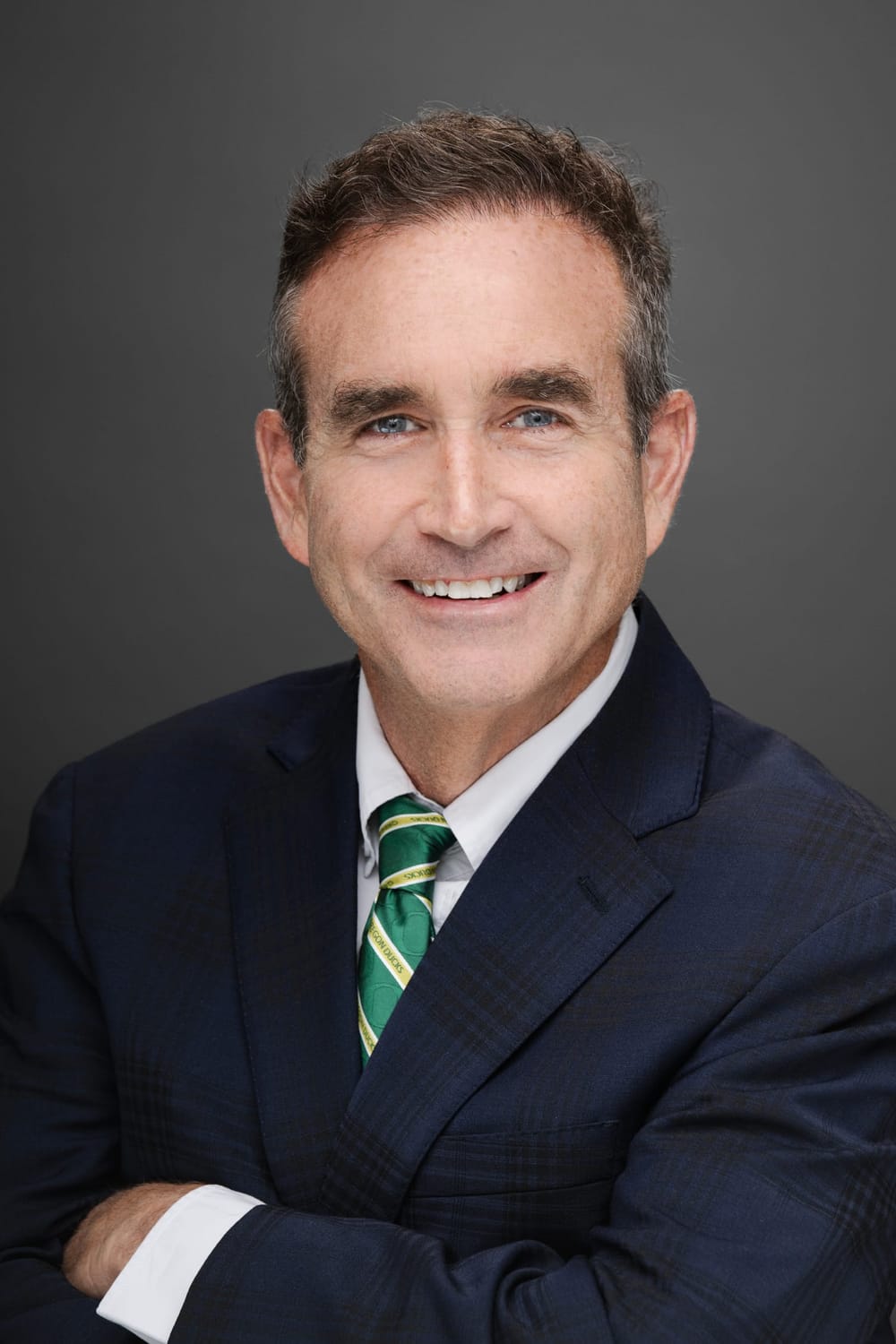
He is a Lifetime Member of Best Attorneys of America, was named to the Top 100 Civil Plaintiff Attorneys by The National Trial Lawyers, and is admitted to the State Bar of Texas.
Read Matthew Kotzen’s full profile →“I spent years building cases for insurance companies. Now I use that same playbook to make sure they pay what they actually owe.”
Goldberg & Loren Fights for Maximum Compensation


Pay Nothing, Unless We Win
Texas Injury Law at a Glance
| Deadline to file a lawsuit | Two years from the date of the injury. Tex. Civ. Prac. & Rem. Code § 16.003 |
| Fault rule | Modified comparative responsibility ("51% bar"): you recover only if you are 50% or less at fault, and your award is reduced by your share. §§ 33.001, 33.012 |
| Reporting the crash | Notify police immediately when there is injury, death, or a vehicle that cannot be driven away safely. Tex. Transp. Code § 550.026 |
How San Antonio Motorcycle Accident Lawyers Overcome Rider Bias
The assumption that a rider must have been speeding or weaving is baked into how many claims get handled across San Antonio. Jurors carry it into the courthouse, adjusters lean on it in negotiations, and the other driver’s insurer uses it to shave your fault percentage down and your blame up.
Overcoming it takes evidence of exactly what the driver did wrong.
That is the approach the legal team at Goldberg & Loren brings to a motorcycle case, reframing the story around the driver’s choices instead of the rider’s bike. Physical evidence carries no bias, and neutral witnesses rarely do either.
A reconstruction showing the car turned across the rider’s right of way on Fredericksburg Road persuades a jury far more than any assumption.
The Left-Turn Collision and the Right-of-Way
The most common and most dangerous car-versus-motorcycle crash is the left turn. A driver turning left across your lane cuts off an oncoming rider, often claiming they never saw the motorcycle. Under Texas law, that driver had a duty to yield to oncoming traffic, and failing to see a rider in plain view is not an excuse; it is the negligence itself.
These crashes happen at intersections across the city, from Fredericksburg Road to Loop 410. The rider almost never has time to react, and the impact often throws them into other traffic, which is why left-turn cases so often pair serious injuries with a driver insisting the rider came out of nowhere.
Proving the Driver Failed to Yield
Winning a left-turn case means proving the rider had the right-of-way, and the driver took it. Traffic signal timing, the point of impact, and the final resting positions all help reconstruct who entered the intersection lawfully, and the physical evidence tells the story more reliably than either driver’s memory.
Using Scene Photos and Independent Witnesses
A neutral witness who watched the driver turn without looking can quietly dismantle the reckless-rider story. Cameras help even more, from a gas station near US-281 North to a doorbell camera on a side street.
That footage is often overwritten within days, so a fast preservation request can save the one recording that shows the driver rolling through the turn.
Correcting the Lane Splitting and Following Too Close Myths
When the insurer cannot blame a left turn, it reaches for the next stereotype, usually a claim that the rider was lane splitting or following too close. Both sound plausible to someone who does not ride, and both tend to fall apart under the actual facts of a San Antonio crash.
These defenses are worth challenging because Texas uses modified comparative fault, so every percentage point pinned on the rider reduces the payout. An adjuster who cannot win on the left turn will settle for painting the rider as aggressive, since even a 20% shift saves the company real money.
Why Lane Splitting Claims Rarely Match the Facts
Lane splitting means riding between two lanes of traffic, and it is not legal in Texas, so insurers reach for it often. The trouble for them is that most San Antonio crashes do not involve it at all. A left-turn collision or a sideswipe during a lane change on I-35 has nothing to do with a rider threading between cars.
Rebutting the Following Too Close Assumption
The following-too-close defense assumes the rider rear-ended the car. Many motorcycle crashes are the reverse, where a driver stops short or changes lanes into a rider with nowhere to go. On a fast road like I-10, the gouges in the pavement and the resting position of the bike let an investigator show the rider kept a safe gap.
Common Causes of Motorcycle Crashes Beyond Left Turns
Left turns cause the most serious motorcycle wrecks, but they are far from the only way a careless driver puts a rider on the pavement. Across Bexar County, the pattern is almost always the same: a driver who was not watching for anything smaller than another car, though the specific mistake looks different on each road.
Understanding the cause matters because it points to the evidence that proves fault, and matching the proof to the cause is how a rider defeats the reckless-rider narrative.
Unsafe Lane Changes on I-10 and I-35
A motorcycle fits easily into the blind spot of a pickup or an SUV, and a driver who changes lanes without a real head check on I-10 or I-35 can sideswipe a rider who did nothing wrong. These crashes often send the rider into a guardrail, and the side damage on both vehicles usually shows the car drifting into the rider.
Distracted and Impaired Drivers on Loop 1604
A driver looking at a phone on Loop 1604 is not looking for a motorcycle, and the growth along the northern loop has packed those lanes with distracted commuters. Impairment adds another layer late at night, when a drunk driver drifting across a lane line threatens every rider nearby.
Phone records and any breath test result often expose what pulled the driver’s attention off the road.
What the Texas Helmet Law Really Means for Your Claim
Insurers love to raise the helmet question, hoping to blame the rider no matter what the law says, but the truth is narrower than they suggest. Texas does not ban riding without a helmet for every adult, and even in a crash, the helmet rarely decides the case the way an adjuster implies. Knowing the statute cold takes that argument away.
An honest reading usually shows the rider was riding legally on Bandera Road or anywhere else, and that the helmet has nothing to do with a broken leg or a shattered pelvis.
The Age 21 and Insurance Exemption
Under Section 661.003 of the Texas Transportation Code, riders under 21 must wear a helmet without exception. Riders 21 and older may ride legally without one if they completed an approved motorcycle safety course or carry qualifying health insurance. So a helmetless rider over 21 on I-35 is very often riding completely within the law.
Why a Missing Helmet Does Not Bar Recovery
Even when a rider was not wearing a helmet, that fact does not automatically sink the claim. A helmet question may matter only if it actually contributed to the specific injury, so it has no bearing on a fractured femur, a broken wrist, or a damaged knee.
A driver who caused the crash does not get a pass for what the rider wore, and when an adjuster tries to slash an entire claim over a missing helmet, that overreach often signals the company knows its own driver was at fault.
Insurance Problems That Complicate a Bexar County Rider’s Claim
Proving the other driver was at fault is only half the work. The other half is finding coverage large enough to pay for a serious injury, and that is where many San Antonio motorcycle claims run into trouble. Texas requires only modest minimum liability limits, and a catastrophic injury can blow past them in one hospital stay.
A rider thrown from a bike can face surgery, weeks of rehabilitation, and months away from work, with bills that climb into six figures. When the at-fault driver carries only the state minimum of thirty thousand dollars per person, that policy barely covers the first days of care.
Uninsured and Underinsured Motorist Coverage for Riders
Many San Antonio drivers carry no insurance at all, and a hit-and-run on a dark stretch of Bandera Road can leave a rider with no obvious source of payment.
This is where a rider’s own uninsured and underinsured motorist coverage becomes the most important policy in the case, stepping in when the at-fault driver has too little insurance or none, and often paying far more than the state minimum.
Riders frequently do not realize they carry this protection, or an adjuster from their own company downplays it. The claim against your own insurer is still a fight, because that company profits by paying less. Reading the policy and stacking every available layer of coverage can turn an empty case into one that covers the harm.
How Comparative Fault Affects What You Recover
Texas follows modified comparative fault under Chapter 33 of the Civil Practice and Remedies Code, and the rule has sharp teeth for riders. A rider found 51% or more at fault recovers nothing at all, and any fault below that line still reduces the award by that percentage.
This is exactly why the insurer works so hard to pin a share of the blame on the motorcycle.
The math is unforgiving. If a jury values a crash on I-10 at two hundred thousand dollars and assigns the rider 25% of the fault, the recovery drops to one hundred fifty thousand, and once that share reaches 51%, it disappears entirely.
Where Bexar County and Hill Country Roads Put Riders at Risk
Some routes around San Antonio carry more risk for riders than others, from blind curves to distracted commuters.
The roads that draw riders for their scenery are often the same ones where a single careless driver turns a great day into a catastrophe, and the Hill Country routes especially mix heavy weekend motorcycle traffic with drivers who are not expecting it.
Riders in the region run into trouble most often on the routes below.
- US-281 North and Bandera Road heading into the Hill Country
- Loop 1604, where high speeds meet heavy suburban merging
- I-10 and I-35 lane changes where drivers miss motorcycles in blind spots
- Downtown and River Walk intersections crowded with turning traffic
The hazard is rarely the road itself. It is the driver who changes lanes without checking or turns left across a rider who had every right to be there. Knowing where these crashes cluster helps an investigator find cameras, witnesses, and the traffic patterns that explain the wreck.
Steps to Take in the Hours After a Motorcycle Crash
What you do in the first hours after a crash can decide the claim months later. A rider is often hurt, shaken, and outnumbered by drivers telling a version of events that favors them, so calm, deliberate steps at the scene protect both your health and the evidence that proves the other driver was at fault.
The two-year filing deadline feels distant on the day of the wreck, but the proof does not wait that long. Cameras overwrite footage within days, and vehicles get repaired within weeks, so acting early preserves the evidence the insurer will otherwise claim never existed.
Documenting the Scene and Getting Medical Care
Call police to the scene so an officer creates an official crash report, even if the other driver pleads to keep it informal. Photograph the vehicles, the road, the signals, and your injuries before anything is moved, and get names and numbers from anyone who stopped.
See a doctor the same day, because a gap in treatment gives the insurer an opening to blame the injuries on something else.
What to Say and Not Say to the Insurer
The other driver’s insurer will often call within a day, friendly and eager for a recorded statement. Anything you say can be trimmed and repackaged to suggest you share the blame, so a simple decline to give one protects you.
Avoid guessing about speed or distance while your memory is still rattled, because an offhand estimate that later proves wrong can cost real money under the comparative fault rule.
Valuing a San Antonio Motorcycle Injury Claim
Motorcycle injuries tend to be severe because a rider has no steel cage and no airbags. That severity drives up both the medical costs and the value of the claim, though it also means insurers fight harder to limit what they pay. A fair number reflects not just today’s bills but the care a serious injury demands for years.
No honest lawyer quotes a figure before seeing the full picture. The value grows from the injuries, the fault split under Chapter 33, and the coverage available to pay, and it can climb quickly when a crash leaves lasting impairment. Rushing to settle before the full harm is known is how riders end up shortchanged.
Road Rash, Fractures, and Long-Term Care
Road rash sounds minor and is anything but, often requiring skin grafts and leaving permanent scars that need revision surgery. Fractures, spinal injuries, and traumatic brain injuries are common in motorcycle crashes. Future surgeries, rehabilitation, and lost earning capacity all belong in the claim, not just the first stack of hospital bills.
A brain injury from a wreck on US-281 North may not reveal its full effect on memory or work for many months, so timing the settlement to the medical picture matters as much as proving fault, because a release signed too soon closes every later door.
Call a San Antonio Motorcycle Accident Lawyer for a Free Case Review
Rider bias is real, but it is not the last word. With the right evidence, a San Antonio motorcycle accident lawyer turns the focus back to the driver who failed to yield and pursues the full value of what the crash cost you.
Our team brings decades of experience to injury cases across Texas, and there is no fee unless we win your case. The consultation is free and the line is open around the clock, so there is no reason to face the insurer alone after a wreck anywhere in Bexar County.
Call (512) 254-4424 today, or reach us through our contact page to start your free case review.
Frequently Asked Questions
Most often the other driver. In 46% of fatal two-vehicle motorcycle crashes, the other vehicle was turning left across the rider's path (NHTSA). That left-turn failure to yield is the classic Bexar County case. San Antonio recorded 547 motorcycle crashes and 28 rider deaths in 2025, second only to Houston.
Not usually. Riders 21 and older may ride legally without a helmet if they finished an approved safety course or carry qualifying health insurance (Tex. Transp. Code § 661.003). A helmet matters only if it caused the specific injury, so it has no bearing on a fractured femur.
There is no fixed timeline. A clear-fault claim with healed injuries can settle in months, while surgery cases should wait until doctors can project future care. TxDOT crash records show 2,518 seriously injured Texas riders in 2025, and those claims take longest because the full cost appears late.
Your own uninsured and underinsured motorist coverage becomes the most important policy in the case. Texas requires only $30,000 per person in liability coverage (Tex. Transp. Code § 601.072), which one hospital stay after a Loop 1604 crash can exhaust. Many riders carry UM/UIM without knowing it.
Nothing up front. We work on contingency, so the consultation is free and the fee comes from the recovery only if we win. Texas comparative fault rules make early work matter. Every point of blame cuts your payout, and at 51% it vanishes (Tex. Civ. Prac. & Rem. Code §§ 33.001, 33.012).
Reporting a crash and filing a lawsuit are two very different deadlines, and the reporting one is far shorter. Under Texas law, if anyone is injured or killed, or a vehicle is too damaged to be driven away safely, the drivers involved must notify police immediately, by the quickest means available, not days later (Tex. Transp. Code § 550.026).
You also have to stop at the scene, give your name, address, and insurance information, and help anyone who is hurt (§§ 550.021–550.023). Leaving the scene of an injury crash is a serious crime in Texas, not a paperwork issue.
You may have heard that you have “ten days to file a crash report.” That ten-day deadline actually belongs to the investigating police officer, who must send the official crash report to the Texas Department of Transportation within ten days when a wreck causes injury, death, or at least $1,000 in property damage (§ 550.062).
The separate report drivers once mailed in themselves was eliminated years ago. Your job is to report the crash to police right away, then notify your own insurance company promptly, as your policy requires.
If your crash happened in San Antonio, the San Antonio Police Department handles it, and you can get a copy of your official crash report from the SAPD Records Office at Police Headquarters, 315 S. Santa Rosa, San Antonio, TX 78207 (210-207-7273), or order it online through the Texas Department of Transportation.
If you are not sure how to get your report or what it says about fault, call us at (512) 254-4424 and we will walk you through it.
Legal Sources & References
The Texas laws described on this page are cited to the official statutes published by the Texas Legislature and were last reviewed on August 17, 2026.
- Statute of limitations (2 years), Tex. Civ. Prac. & Rem. Code § 16.003
- Comparative responsibility & reduction, Tex. Civ. Prac. & Rem. Code §§ 33.001, 33.012
- Duty to report a crash, Tex. Transp. Code §§ 550.021–550.026, 550.062
- Texas crash data, Texas Department of Transportation (TxDOT)