In This Article
- California Laws on Workplace Retaliation
- Protected Activities: Reporting Harassment or Unsafe Conditions
- Employer Responsibilities After a Complaint
- Employee Rights and Protections Against Retaliation
- What to Do If You Face Retaliation
- Protect Your Rights If You Were Fired for Reporting Harassment in California
- Frequently Asked Questions
- Recommended
What Are Your Rights if Fired for Reporting Harassment in California?
Nearly one in five American workers experiences some form of retaliation after speaking up about workplace issues, making this a concern for employees across California. Facing unfair treatment or job loss simply for reporting harassment or safety risks can leave anyone feeling powerless.
Understanding California’s tough laws on workplace retaliation helps American employees protect their rights and take action if employers overstep the line.
California Laws on Workplace Retaliation
California provides robust legal protections for employees who report workplace harassment or safety violations, ensuring workers can speak up without fear of retaliation. Under the Fair Employment and Housing Act, employers are strictly prohibited from taking adverse actions against employees who assert their legal rights or report potential workplace misconduct.

The California Labor Commissioner’s Office enforces comprehensive anti-retaliation laws covering an expansive range of workplace scenarios.
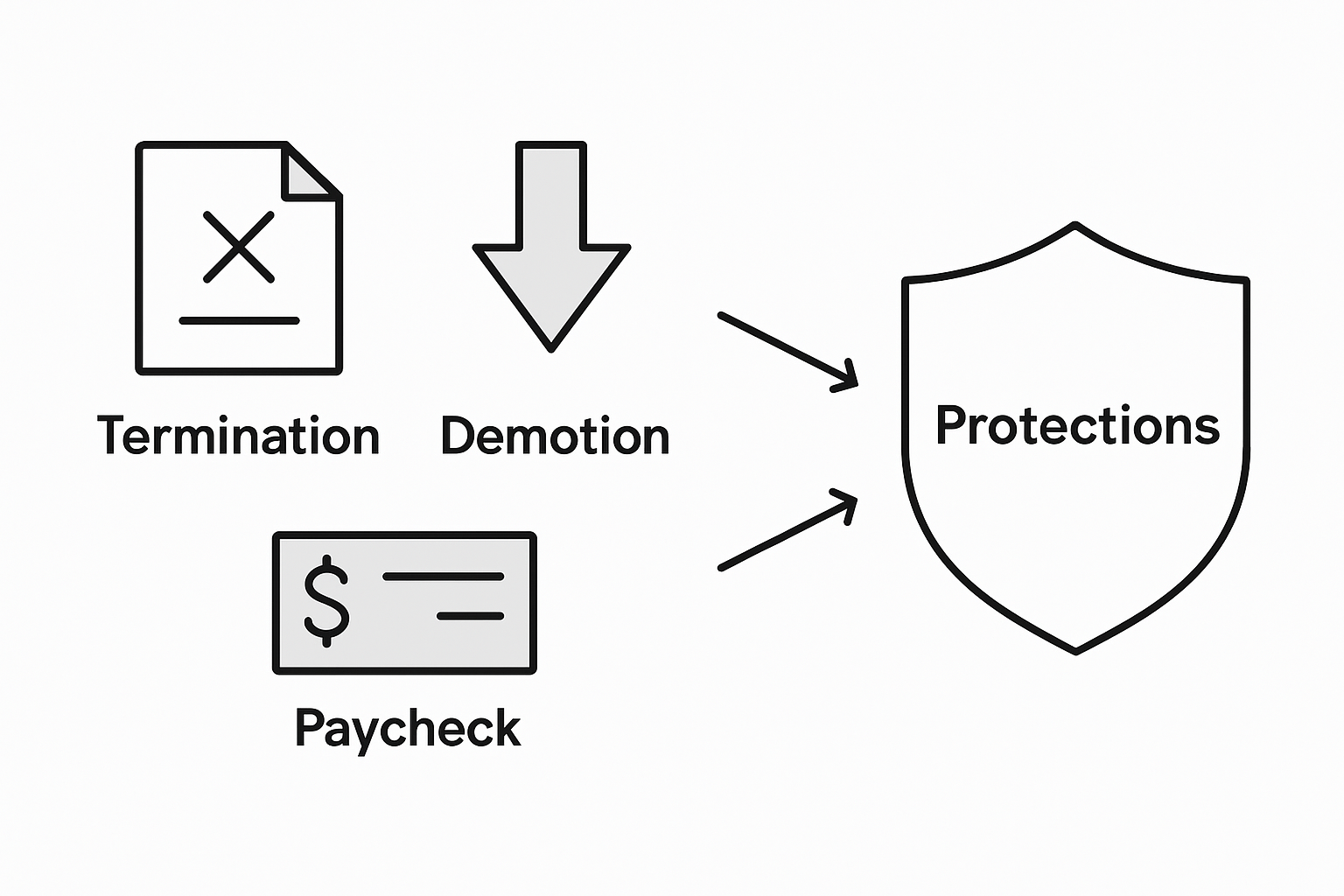
Retaliation can manifest in numerous forms, including:
- termination,
- demotion,
- suspension,
- pay reduction,
- or creating a hostile work environment.
These protections apply to employers with five or more employees, guaranteeing workers can report harassment, discrimination, or unsafe working conditions without professional consequences.
Key legal protections extend to various scenarios of workplace reporting, such as:
- Reporting sexual harassment
- Documenting discriminatory practices
- Alerting authorities to safety code violations
- Filing wage and hour complaints
Employees are legally shielded when they make complaints in good faith, meaning they genuinely believe misconduct has occurred, even if an investigation ultimately proves otherwise. The law specifically protects workers who communicate concerns through internal channels, file formal complaints with state agencies, or collaborate with workplace investigations.
Protected Activities: Reporting Harassment or Unsafe Conditions
California law provides comprehensive protections for employees who engage in protected activities, safeguarding workers who report workplace misconduct or unsafe conditions. Workplace safety reporting encompasses a wide range of actions designed to protect employee rights and maintain safe working environments.
Protected activities include several critical actions that employees can take without fear of professional retaliation:
- Reporting safety violations
- Filing claims about unsafe working conditions
- Testifying in health and safety proceedings
- Participating in occupational health and safety committees
- Reporting workplace injuries
- Refusing to work under hazardous conditions
The legal framework ensures that workers can speak up about potential workplace hazards or misconduct without risking their employment. This protection applies regardless of whether the reported concern ultimately proves to be substantiated, as long as the employee makes the report in good faith and with a reasonable belief that a violation or unsafe condition exists.
Employees should document their safety concerns and reports carefully, keeping detailed records of communications and any potential retaliatory actions. While the law provides strong protections, building a comprehensive record can be crucial if legal action becomes necessary to defend your workplace rights.
Employer Responsibilities After a Complaint
Under California law, employers have critical legal obligations when an employee files a workplace harassment or safety complaint. Employers are strictly prohibited from taking retaliatory actions against workers who report potential misconduct, with retaliation encompassing a wide range of adverse employment actions.
Key employer responsibilities include:
- Maintaining confidentiality of the complaint
- Conducting a prompt and impartial investigation
- Protecting the reporting employee from any form of professional retaliation
- Documenting the investigation process
- Taking appropriate corrective actions if misconduct is verified
The legal framework demands that employers create a work environment free from harassment and discrimination, which means treating all complaint investigations with the utmost seriousness and professionalism.
Prohibited retaliatory actions can include:
- discharge,
- demotion,
- suspension,
- pay reduction,
- refusal to promote,
- or making immigration-related threats against the reporting employee.
Employers must also ensure transparent communication throughout the investigative process, informing employees of their rights and the steps being taken to address the complaint. Failure to follow these legal requirements can result in significant legal consequences, including potential lawsuits, financial penalties, and damage to the company’s professional reputation.
Employee Rights and Protections Against Retaliation
California provides robust legal protections for employees who exercise their workplace rights, ensuring workers can speak up without fear of professional consequences. Employees and job applicants have the right to file complaints and pursue legal actions against employers who attempt to suppress or punish their lawful workplace communications.
Key employee rights include the ability to:
- Report workplace harassment or discrimination
- File safety violation complaints
- Request wage and hour investigations
- Challenge unequal pay practices
- Participate in workplace investigations
- Refuse unsafe working conditions
Retaliation protection extends beyond direct termination, covering a wide range of potential adverse actions. Workers who experience discrimination can file formal complaints with the Labor Commissioner’s Office, which enforces laws prohibiting workplace misconduct and ensures employees can exercise their rights without professional repercussions.
Employees should document every interaction related to their complaint, including dates, conversations, and potential retaliatory actions. Maintaining comprehensive records can provide critical evidence if legal action becomes necessary to protect their professional rights and seek appropriate remedies for workplace violations.
What to Do If You Face Retaliation
If you experience workplace retaliation in California, taking immediate and strategic action is crucial to protecting your legal rights. Employees have multiple avenues for addressing retaliatory actions through official channels designed to safeguard workers’ professional interests.
Critical steps to take when facing workplace retaliation include:
- Document every incident in detail
- Collect all relevant communication evidence
- Preserve emails, messages, and performance records
- Report incidents to human resources
- File a formal complaint with the Labor Commissioner’s Office
- Consult with an employment law attorney
Formal complaint procedures require careful preparation and attention to detail. Workers must follow specific investigative protocols when notifying authorities about workplace misconduct, including maintaining accurate contact information and cooperating fully with official investigations.
Time is of the essence when confronting workplace retaliation. Most legal claims have strict filing deadlines, and waiting too long can potentially compromise your ability to seek justice. Gathering comprehensive evidence quickly and seeking professional legal guidance can significantly strengthen your position and increase the likelihood of a successful resolution.
Protect Your Rights If You Were Fired for Reporting Harassment in California
Facing retaliation like termination after reporting workplace harassment or unsafe conditions can be overwhelming and isolating. The law protects your right to speak up without fear of pay cuts, demotion, or hostile work environments. If you are struggling with retaliation, you deserve expert legal support to stand strong and pursue the justice and compensation you are entitled to.
At Goldberg & Loren, we specialize in employment law cases including workplace retaliation and wrongful termination. With over 120 years of combined legal experience, our dedicated team fights aggressively to protect your rights and secure the maximum compensation possible.
Do not wait until it is too late. Take control of your case today by calling us at (661) 669-8224 for a free workplace rights consultation and learn how we can help you move forward with confidence.
Frequently Asked Questions
You have the right to file a complaint with the Labor Commissioner’s Office, as California law protects employees from retaliation for reporting workplace harassment. Employers cannot take adverse actions against you for exercising your rights.
Workplace retaliation can include actions such as termination, demotion, suspension, pay reduction, refusal to promote, or creating a hostile work environment after you report harassment or other misconduct.
Document every incident of retaliation, including dates, times, conversations, and any relevant communications. This documentation can serve as evidence in formal complaints or legal actions.
Immediately document all incidents of retaliation, report the behavior to human resources, file a formal complaint with the Labor Commissioner’s Office, and consider consulting with an employment law attorney for guidance.
Recommended
- California Sexual Harassment Lawyer
- Wrongfully Terminated in Bakersfield? Find Your Expert Lawyer Now.
- Age Discrimination in the California Workplace
- California Labor Law Updates