In This Article
A Guide to Child Injury Compensation Claims
More than 9 million children experience accidental injuries each year in the United States, leading to staggering emotional and financial strain for families. When a child suffers harm because someone else was careless or acted wrongly, parents are often left searching for answers and support. Understanding the basics of child injury compensation claims can empower you to protect your child’s rights, recover needed funds for care, and hold responsible parties accountable.
What Are Child Injury Compensation Claims?
Child injury compensation claims are legal processes designed to provide financial recovery for minors who have suffered harm due to another party’s negligence or intentional actions. These claims help families seek justice and compensation for medical expenses, rehabilitation costs, pain and suffering, and potential long-term impacts on the child’s quality of life.
Under legal guidelines, child injury compensation claims differ significantly from standard personal injury claims. Many states provide extended legal protections for minors by modifying traditional statute of limitations. This means children have additional time to pursue legal action, typically allowing them to file claims between the ages of 18 and 20, even for injuries sustained during childhood.
These claims can arise from various scenarios, including:
- Medical malpractice
- Playground accidents
- School-related injuries
- Daycare negligence
- Defective product incidents
- Automotive accidents
Interestingly, some compensation programs offer specialized support. The Justice Department administers specific programs like the Vaccine Injury Compensation Program, which provides a no-fault alternative for addressing rare instances of vaccine-related injuries. This approach ensures families have accessible legal recourse while maintaining a balanced system for addressing complex injury scenarios.
When pursuing a child injury compensation claim, families should understand that these legal actions serve multiple critical purposes. They not only provide financial support for immediate medical needs but also help secure resources for future treatments, potential disabilities, and the child’s overall long-term well-being. By holding responsible parties accountable, these claims promote safety standards and prevention of similar incidents in the future.
 Learn more about our dedicated school injury legal support to understand how specialized legal expertise can make a significant difference in these sensitive cases.
Types of Child Injuries Covered by Claims
Child injury compensation claims encompass a wide range of scenarios where minors suffer physical, emotional, or developmental harm due to negligence, accidents, or intentional actions. These claims provide critical legal pathways for families to seek justice and financial recovery for their child’s injuries and long-term impacts.
Some of the most common types of child injuries covered by compensation claims include:
Here’s a summary of common types of child injuries and examples covered by compensation claims:
| Injury Type | Examples |
|---|---|
| Physical Injuries | Fractures Burns Head trauma Spinal injuries |
| Medical Negligence | Birth injuries Surgical errors Misdiagnosis |
| Institutional Injuries | School accidents Daycare negligence Playgrounds |
| Product-Related | Defective toys Unsafe equipment |
| Vehicular Accidents | Car crashes Pedestrian injuries Bus incidents |
| Abuse/Intentional Harm | Sexual abuse Physical assault Emotional trauma |
- Physical Injuries: Fractures, burns, head trauma, spinal cord injuries
- Medical Negligence: Birth injuries, surgical errors, misdiagnosis, medication mistakes
- Institutional Injuries: School accidents, daycare negligence, playground incidents
- Product-Related Injuries: Defective toys, unsafe child equipment, dangerous consumer products
- Vehicular Accidents: Car crashes, pedestrian accidents, school bus incidents
- Abuse and Intentional Harm: Sexual abuse, physical assault, emotional trauma
According to the Government Accountability Office, state crime victim compensation programs provide comprehensive benefits for child victims, covering critical expenses such as medical treatment, mental health counseling, and related support services. These programs recognize the unique vulnerabilities of child victims and offer structured support to help families navigate the aftermath of traumatic incidents.
Specialized compensation programs also address specific injury scenarios. The Vaccine Injury Compensation Program, for instance, offers a no-fault administrative process for children injured by vaccines, ensuring families can receive compensation without lengthy litigation. When considering a child injury claim, understanding the breadth of potential coverage is crucial. Explore our comprehensive guide on personal injury claim types to gain deeper insights into the legal protections available for children who have suffered harm.
Legal Process for Filing a Child Injury Claim
Filing a child injury compensation claim involves a complex legal process that requires careful navigation and understanding of specialized legal protections designed specifically for minors. Unlike standard personal injury claims, child injury claims demand unique considerations to protect the vulnerable interests of the injured child.
Children cannot independently pursue legal action and require an adult representative to initiate the claim.
This typically means a parent or legal guardian must act on the child’s behalf, managing all legal proceedings, documentation, and negotiations throughout the compensation process.
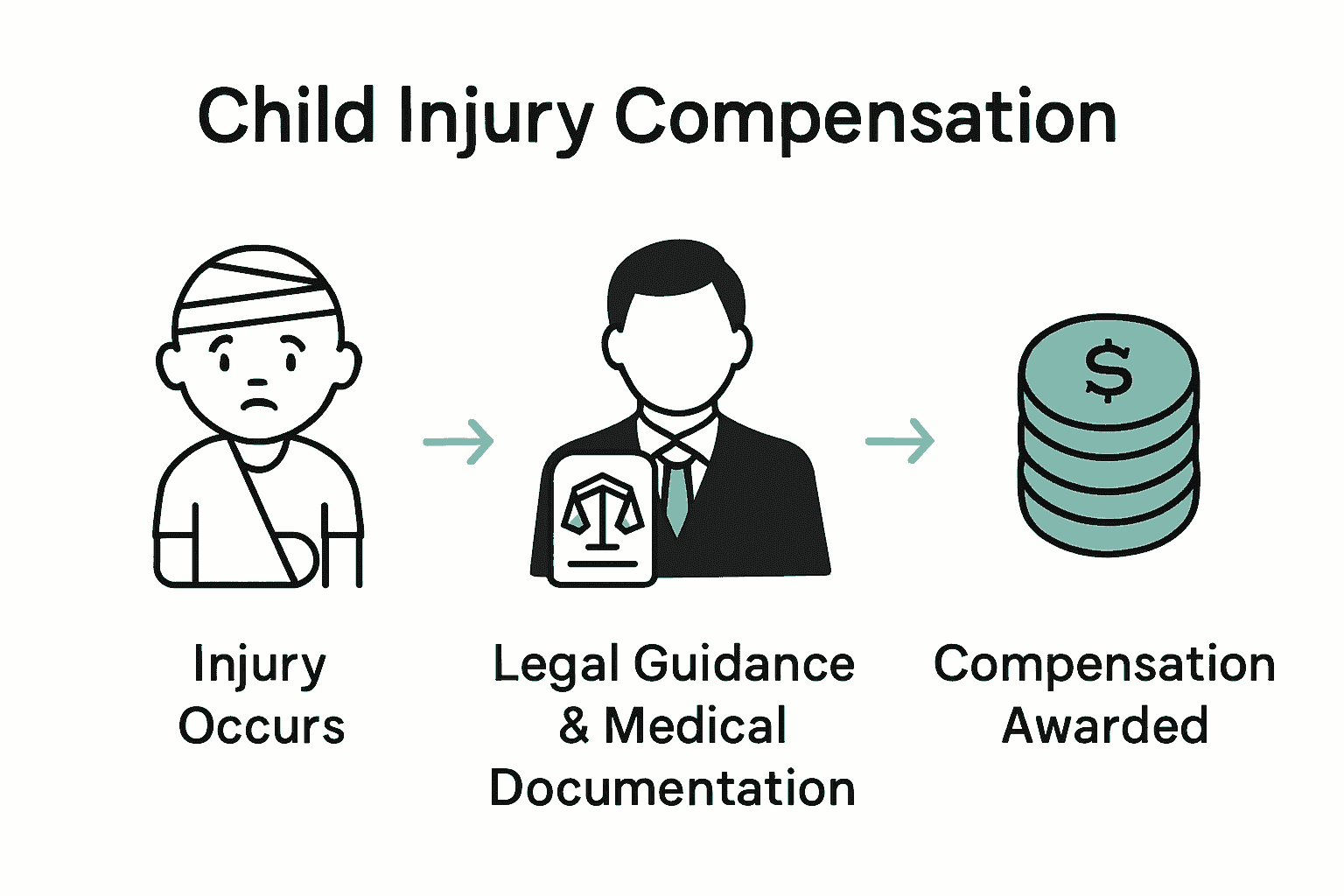
The legal process for filing a child injury claim generally involves these critical steps:
- Initial Consultation: Meet with a specialized child injury attorney
- Evidence Collection: Gather medical records, incident reports, witness statements
- Medical Documentation: Compile comprehensive medical evaluations
- Damage Assessment: Calculate current and future medical expenses
- Claim Filing: Submit formal legal documentation
- Negotiation: Engage with insurance companies or responsible parties
Interestingly, many states provide unique statute of limitations protections for child injury claims. This means children often have extended timeframes to pursue legal action, potentially allowing them to file claims between ages 18 and 20, even for injuries sustained during childhood. This flexibility recognizes that children may not immediately understand the full extent of their injuries or legal rights.
Learn more about the critical steps to take after a personal injury accident to ensure you protect your child’s legal interests from the very beginning.Parental Rights and Responsibilities Explained
In child injury compensation claims, parents play a critical role as legal guardians and primary advocates for their child’s well-being and legal interests. Their responsibilities extend far beyond emotional support, encompassing critical legal and financial decision-making throughout the compensation process.
According to the Department of State, parental rights apply to children who are unmarried and under 21 years of age, or those who due to mental and/or physical limitations are incapable of self-support. This definition includes natural offspring, step-children, adopted children, and those under permanent legal guardianship, ensuring comprehensive protection across diverse family structures.
Parental responsibilities in child injury claims typically involve:
- Legal Representation: Initiating and managing legal proceedings
- Medical Advocacy: Coordinating medical treatments and documentation
- Financial Management: Protecting the child’s financial interests
- Evidence Collection: Gathering and preserving critical incident evidence
- Negotiation: Representing the child’s best interests during settlement discussions
- Long-Term Planning: Considering future medical and developmental needs
The legal system recognizes that parents are the most appropriate representatives for children who cannot advocate for themselves. This means parents must make informed, strategic decisions that prioritize their child’s immediate medical needs and long-term quality of life. Explore our guide on critical steps after a personal injury accident to understand how to effectively protect your child’s legal and medical interests from the moment an injury occurs.
Maximizing Compensation and Common Pitfalls
Navigating a child injury compensation claim requires strategic planning and careful consideration of multiple legal and financial factors. Parents must be proactive in understanding the nuanced landscape of potential compensation to ensure their child receives maximum financial recovery for current and future needs.
Special legal rules apply to child injury claims that can significantly impact the compensation process. These unique considerations demand expert legal guidance to avoid critical pitfalls that could potentially diminish the child’s financial recovery.
Common strategies for maximizing compensation include:
- Comprehensive Medical Documentation: Detailed records of all treatments
- Future Damage Projections: Calculating long-term medical and rehabilitation costs
- Expert Testimony: Medical and economic experts to validate claim value
- Preservation of Settlement Funds: Structured settlements or protected accounts
- Thorough Liability Investigation: Identifying all potentially responsible parties
- Negotiation Expertise: Skilled legal representation to challenge lowball offers
The Justice Organization highlights an important consideration regarding Medicaid recovery, noting that attorneys can strategically negotiate to help minor clients retain their entitled funds by understanding subrogation claims intricacies. Learn how insurance companies might try to cheat their customers to better protect your child’s legal and financial interests during the compensation process.
Protect Your Child’s Future with Expert Legal Support
When a child suffers an injury due to someone else’s negligence or harmful actions, families face overwhelming challenges. From understanding complex legal terms like “statute of limitations” to managing medical documentation and negotiating compensation, these situations demand experienced guidance. You deserve a team that will fight passionately for the maximum recovery your child needs now and in the future. Goldberg & Loren brings over 120 years of combined legal expertise, offering compassionate and strategic representation for child injury compensation claims.
Don’t wait until it’s too late to act. Visit Goldberg & Loren now to learn how we can stand with you during this difficult time. Our proven track record in personal injury claims means your child’s rights and well-being are our top priority. Start with a free consultation and take the first step toward securing the justice and financial support your family deserves. Explore how we help clients understand and navigate personal injury claims and protect their interests after an accident. Your child’s future is worth fighting for today.
Frequently Asked Questions
Child injury compensation claims are legal processes that allow families to seek financial recovery for minors injured due to another party’s negligence or intentional actions. These claims cover various expenses, including medical costs, pain and suffering, and rehabilitation.
Filing a child injury compensation claim involves several steps, including consulting a specialized attorney, collecting evidence and medical documentation, assessing damages, and formally submitting the claim. Parents or legal guardians typically act on behalf of the child.
Child injury compensation claims encompass various injuries, including physical injuries (fractures, burns), medical negligence (birth injuries), school-related injuries, product-related injuries (defective toys), vehicular accidents, and cases of abuse or intentional harm.
To maximize compensation, ensure comprehensive medical documentation is collected, project future damages, gather expert testimony, preserve settlement funds through structured settlements, conduct thorough liability investigations, and engage skilled legal representation to negotiate effectively.
Recommended
- 7 Common Car Accident Myths Debunked for Injury Victims
- Types of Personal Injury Claims
- What to Do if Your Child is Hurt in an Oregon Daycare
- What’s the Most Common Personal Injury Claim?