Whistleblowers in Fresno
Standing up against workplace misconduct can feel daunting, especially when your job or reputation is at stake in Fresno. Employees often find themselves weighing ethical obligations against personal and professional risks when they witness wrongdoing at work.
With confidential support and legal protections available through local resources and California law, this guide aims to make clear what steps you can take, what protections you have, and how to safeguard your future if you choose to become a whistleblower.
Whistleblowing in Fresno Explained
Whistleblowing represents a critical mechanism for exposing workplace misconduct and protecting organizational integrity. In Fresno, employees who witness unethical practices have specific legal protections and channels to report wrongdoing safely.
Reporting mechanisms at local institutions provide confidential support for individuals seeking to address workplace concerns.
The process of whistleblowing involves several key considerations that can significantly impact an employee’s professional future. Potential whistleblowers must understand their rights and the potential consequences of reporting misconduct. These considerations include:
- Internal reporting procedures within their organization
- Legal protections against retaliation
- Potential professional risks
- Documentation requirements
- Potential external reporting agencies
Most whistleblowing scenarios stem from ethical motivations to protect public interest and organizational transparency. Ethical reporting involves carefully documenting observed misconduct and following established reporting protocols. Individuals must balance their moral obligations with strategic considerations about potential personal and professional repercussions.
Professional protection becomes paramount when considering whistleblowing. Employees in Fresno should understand that local institutional frameworks offer support mechanisms designed to shield workers who report legitimate concerns in good faith.
Pro tip: Before initiating a whistleblowing complaint, consult with an employment law professional who can provide personalized guidance about your specific situation and potential legal protections.
Types of Workplace Misconduct Reported
Workplace misconduct represents a complex landscape of unethical and illegal behaviors that can significantly impact organizational integrity and employee well-being. Workplace safety violations and misconduct encompass a wide range of critical issues that employees might encounter in their professional environments.
The most common types of workplace misconduct reported by whistleblowers include:
- Financial fraud and embezzlement
- Safety regulation violations
- Discrimination and harassment
- Environmental law breaches
- Wage and hour violations
- Abuse of authority
- Gross mismanagement of resources
Systemic misconduct often involves patterns of behavior that extend beyond isolated incidents. These can include systematic discrimination, persistent safety violations, or deliberate financial manipulation that threatens both employee welfare and broader public interests.

Whistleblower reports frequently expose critical issues such as illegal conduct, public safety threats, and wasteful spending of organizational resources. Such revelations serve as essential mechanisms for maintaining organizational accountability and protecting the fundamental rights of workers across various industries.
Pro tip: Document every observed misconduct with specific dates, times, and detailed descriptions to strengthen the credibility of your potential whistleblower report.
Legal Protections Under California Law
California offers robust legal protections for whistleblowers, designed to shield employees who expose workplace misconduct from potential retaliation. Whistleblower rights and protections provide critical safeguards that enable workers to report unethical or illegal activities without fear of professional consequences.
Key legal protections for whistleblowers in California include:
- Protection against wrongful termination
- Prohibition of demotion or salary reduction
- Legal recourse for discrimination
- Confidential reporting mechanisms
- Reinstatement rights if improperly terminated
- Potential financial compensation for damages
- Protection for both public and private sector employees
Retaliation prevention is a cornerstone of California’s whistleblower laws. Employees who report violations based on reasonable belief are legally shielded from adverse employment actions. California state laws explicitly prohibit employers from retaliating against workers who expose workplace misconduct, ensuring that ethical reporting can occur without professional risk.
The legal framework surrounding whistleblower protections is complex and multifaceted. Employees must understand their specific rights, document all interactions, and be prepared to demonstrate that their reported concerns are made in good faith and with substantial evidence.
Pro tip: Consult with an employment law specialist immediately after deciding to blow the whistle to understand the full scope of your legal protections and strategize your approach.
Steps for Reporting Misconduct Safely
Reporting workplace misconduct requires careful strategy and strategic documentation. Whistleblower protection steps provide a structured approach to safely exposing unethical practices while minimizing personal professional risk.
The recommended process for reporting workplace misconduct involves several critical steps:
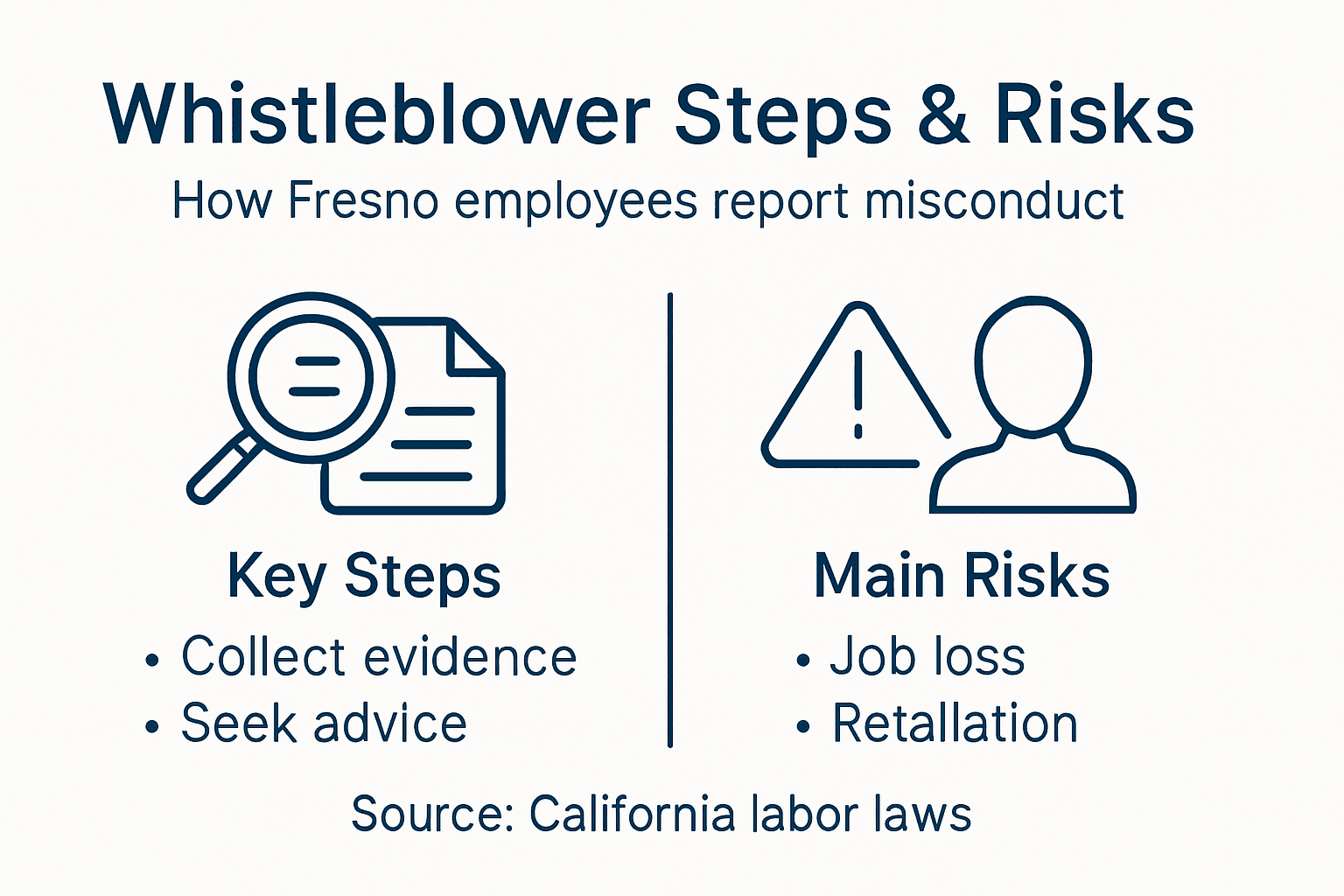
- Gather comprehensive documentary evidence
- Identify the specific nature of the misconduct
- Determine the appropriate internal reporting channel
- Document all interactions and communications
- Understand your legal protections
- Maintain strict confidentiality
- Seek legal consultation before filing
Evidence collection is the foundation of a credible whistleblower report. Employees must meticulously document instances of misconduct, including dates, times, specific actions, and potential witnesses. Workplace misconduct reporting requires substantial proof that demonstrates the validity of the reported concerns.
When internal reporting channels seem compromised or potentially retaliatory, whistleblowers have alternative routes. Federal agencies like the Department of Labor offer external complaint mechanisms that provide additional layers of protection for workers exposing workplace violations.
Here’s how internal and external reporting channels for workplace misconduct compare:
| Aspect | Internal Reporting | External Reporting |
|---|---|---|
| Initial Point of Contact | HR or supervisor | Government agency or attorney |
| Confidentiality Level | May be limited | Often more secure |
| Risk of Internal Retaliation | Higher risk | Lower risk, outside party involvement |
| Investigation Speed | Potentially faster | Can take more time |
| Legal Protection Awareness | May be less informed | Typically well-explained |
| Common Use Case | Routine policy issues | Serious, systemic violations |
Pro tip: Create a secure, encrypted digital archive of all evidence before initiating any reporting process to protect yourself and maintain the integrity of your documentation.
Risks of Retaliation and Legal Recourse
Whistleblowers face significant professional and personal risks when exposing workplace misconduct. Whistleblower retaliation risks demonstrate the complex challenges individuals encounter when reporting unethical practices within their organizations.
Common forms of workplace retaliation include:
- Wrongful termination
- Demotion or reduced work responsibilities
- Workplace harassment
- Professional isolation
- Negative performance evaluations
- Reduced salary or benefits
- Blacklisting within the industry
Legal protections provide crucial safeguards for employees who report misconduct. Scholarly research on whistleblower experiences reveals that while legal frameworks exist, the practical implementation of these protections can be challenging for individuals seeking accountability.
Navigating retaliation risks requires strategic documentation and understanding of legal rights. Employees must carefully collect evidence, maintain professional composure, and be prepared to pursue legal recourse through agencies like the Office of Special Counsel or through employment litigation.
Pro tip: Maintain a comprehensive, time-stamped record of all interactions related to your whistleblowing report, including potential instances of retaliation, to strengthen your legal position.
Protect Your Rights as a Whistleblower in Fresno
Facing the challenges of whistleblowing requires courage and a clear understanding of your legal protections under California law. The risks of retaliation, wrongful termination, and workplace harassment can feel overwhelming. If you have witnessed workplace misconduct and need to weigh your options carefully, know that you are not alone.
Goldberg & Loren specializes in employment law and is dedicated to defending individuals in Fresno who bravely step forward to report unethical or unlawful behavior.
Take control of your situation today with expert legal guidance. Our team brings over 120 years of combined experience fighting for workers’ rights and securing maximum compensation for those harmed by retaliation.
Visit Goldberg & Loren now to learn how we can help you understand your protections, document your case effectively, and navigate the complex legal process with confidence. Do not wait until retaliation jeopardizes your career. Reach out for a free consultation and start protecting your future now.
Frequently Asked Questions
What protections do whistleblowers have against retaliation?
California laws provide whistleblowers with protections against wrongful termination, demotion, harassment, and other forms of retaliation for reporting workplace misconduct in good faith.
What types of misconduct can be reported as a whistleblower?
Common types of workplace misconduct include financial fraud, safety violations, discrimination, environmental breaches, and abuse of power, among others.
What steps should I take before reporting misconduct?
Before reporting misconduct, gather comprehensive evidence, identify the specific nature of the misconduct, choose the appropriate reporting channel, and consult with a legal professional to understand your protections.
How can I safely document evidence of workplace misconduct?
Document evidence meticulously by recording dates, times, actions, and any witnesses present. Create a secure archive to protect your documentation and maintain its integrity.
Recommended
- Fired For Reporting Harassment in California? 2026 Guide
- Wrongfully Terminated in Bakersfield? Find Your Expert Lawyer Now.
- Fresno Disability Discrimination Claims: Protect Your Rights
- Fresno Workers Compensation Lawyer | 🏆 Top Rated