Oregon Foster Care Sexual Abuse: Survivors’ Rights, Lawsuits & Support
Every Oregon foster child deserves a safe, nurturing home, yet sexual abuse remains a hidden crisis within the state’s care system. Children in foster care are at unique risk because of disrupted support networks and the power held by trusted adults around them.
By understanding the broad definition of sexual abuse and its warning signs, legal professionals and advocates can better protect vulnerable youth and uphold their rights throughout Oregon’s child welfare process.
Defining Sexual Abuse in Oregon Foster Care
Sexual abuse in Oregon’s foster care system represents a deeply traumatic violation involving non-consensual sexual contact with vulnerable children placed in state care. Sexual abuse encompasses a range of inappropriate behaviors that exploit a child’s trust and dependency, including physical touch, sexual assault, and psychological manipulation.
The definition of sexual abuse in foster care settings is comprehensive and includes several critical elements:
- Any non-consensual sexual contact with a minor
- Inappropriate touching or groping
- Sexual exploitation by caretakers or foster family members
- Non-physical sexual behaviors like inappropriate sexual comments or exposure
- Digital or online sexual harassment
Foster children are particularly vulnerable to sexual abuse due to unique systemic challenges. Sexual abuse in foster care systems often occurs because of inadequate supervision, disrupted support networks, and power dynamics that enable predatory behaviors.
Understanding the nuanced definition helps identify and prevent these traumatic experiences. Sexual abuse can be perpetrated by foster parents, siblings, other children in the home, caseworkers, or additional adults connected to the foster care placement. The psychological impact can be profound, potentially causing long-term emotional and developmental consequences for survivors.
Pro tip: Document every interaction and maintain clear communication channels with child welfare agencies if you suspect potential sexual abuse in a foster care environment.
Warning Signs and Common Forms of Abuse
Sexual abuse in Oregon’s foster care system manifests through multiple complex and devastating forms that can profoundly impact vulnerable children’s psychological and physical well-being. Warning signs are critical indicators that help identify potential abuse before more serious harm occurs.
Common forms of sexual abuse in foster care include:
- Physical sexual contact and inappropriate touching
- Sexual exploitation through coercion or manipulation
- Exposure to pornographic materials
- Verbal sexual harassment
- Digital sexual abuse through online platforms
- Forced sexual performance or photography
Child sexual abuse warning indicators often emerge through behavioral and emotional changes that may not immediately seem connected to abuse. These can include sudden withdrawal, age-inappropriate sexual knowledge, unexplained injuries, or extreme fear of certain adults.

Psychological grooming represents another sophisticated form of abuse where perpetrators systematically build trust and manipulate children’s vulnerabilities.
This process can involve gradual boundary violations, secret-keeping, and emotional manipulation designed to prevent disclosure. Perpetrators often exploit the power dynamics inherent in foster care relationships, using threats, bribes, or psychological pressure to maintain silence.
Pro tip: Maintain open communication with foster children and create safe, non-judgmental spaces where they feel empowered to share their experiences without fear of retaliation.
Oregon Laws Protecting Foster Youth
Oregon has established a comprehensive legal framework designed to protect foster youth from sexual abuse and ensure their safety within the state’s child welfare system. Legal protections are multifaceted, addressing prevention, reporting, investigation, and prosecution of abuse cases involving vulnerable children in foster care.
Key legal protections for foster youth include:
- Mandatory reporting requirements for suspected abuse
- Immediate investigation protocols by state agencies
- Emergency removal procedures for children in unsafe environments
- Legal immunity for good-faith reporters
- Criminal prosecution of perpetrators
- Comprehensive background checks for foster care providers
Child abuse reporting laws create a robust system of accountability, requiring professionals like teachers, doctors, and social workers to report suspected abuse immediately. These laws provide critical protection by ensuring swift intervention and preventing further harm to vulnerable children.
The Oregon Department of Human Services plays a central role in enforcing these protective measures. Their comprehensive approach includes rigorous screening of foster care providers, regular home inspections, and ongoing monitoring of foster placements to minimize the risk of sexual abuse.
The legal framework empowers state agencies to take immediate action, including removing children from potentially dangerous situations and initiating criminal investigations against perpetrators.
Here’s a summary of major roles and responsibilities in protecting foster children:
| Role | Primary Responsibility | Impact on Child Safety |
|---|---|---|
| Caseworker | Monitor placements and address reports | Rapid intervention in risk situations |
| Foster Parent | Provide safe, supportive environment | Reduces child vulnerability |
| School Counselor | Identify and report warning signs | Early detection of abuse cases |
| Child Advocate | Facilitate access to legal help | Empowers children through guidance |
| Law Enforcement | Investigate and prosecute abuse | Holds perpetrators accountable |
Pro tip: Document every interaction and communication related to foster care placement, as detailed records can be crucial evidence in protecting children’s safety and legal rights.
Here’s how Oregon’s protections for foster youth compare with national standards:
| Provision | Oregon Foster Care | National Average |
|---|---|---|
| Mandatory Reporting | Extensive, covers many professionals | Common, but scope varies |
| Investigation Speed | Immediate action required | Varies by state |
| Statute of Limitations | Recently extended for survivors | Often shorter deadlines |
| Support Services | Specialized foster care resources | Resources usually more limited |
Civil Claims and Statute of Limitations
Victims of sexual abuse in Oregon’s foster care system have critical legal pathways to seek justice and compensation through civil claims. Civil litigation provides survivors an opportunity to hold perpetrators and negligent institutions accountable, even when criminal prosecutions may not be possible.
Key aspects of civil claims for foster care sexual abuse include:
- Monetary damages for emotional trauma
- Compensation for therapy and counseling costs
- Recovery of lost wages and future earning potential
- Holding institutions accountable for systemic failures
- Punitive damages against responsible parties
- Potential settlements without lengthy court trials
Recent legislative changes have significantly expanded survivors’ rights by extending statutes of limitations, recognizing the complex psychological barriers that prevent immediate reporting of childhood sexual abuse.
In Oregon, survivors now have extended timeframes to file civil claims, acknowledging the long-term impact of childhood trauma.
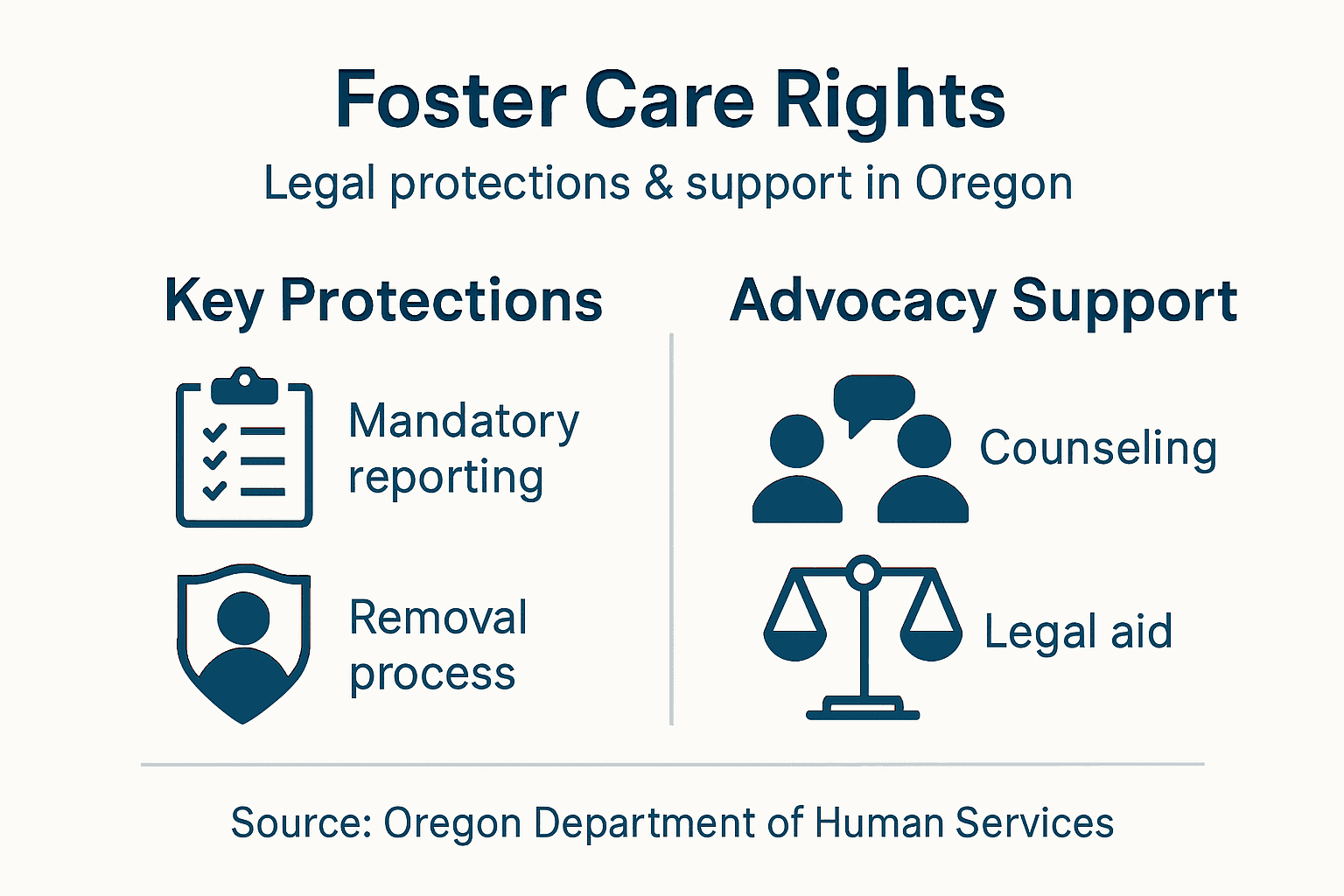
The legal process allows survivors to pursue claims against multiple potential defendants, including individual perpetrators, foster care agencies, and organizations responsible for supervision and protection. These civil actions can provide financial compensation and a sense of validation for survivors, helping them access resources for healing and recovery.
Reporting Abuse and Finding Advocacy Resources
Navigating the complex landscape of reporting sexual abuse in Oregon’s foster care system requires understanding multiple support channels and resources available to survivors and concerned individuals. Reporting mechanisms are critical for protecting vulnerable children and holding perpetrators accountable.
Important reporting resources include:
- Oregon Department of Human Services 24/7 child abuse hotline
- Local law enforcement agencies
- School counselors and mandatory reporters
- Child protective services
- Legal advocacy organizations
- Confidential online reporting platforms
Nonprofit support organizations like OAASIS provide comprehensive assistance for survivors, offering specialized counseling, legal guidance, and community support tailored to individuals who have experienced foster care sexual abuse. These organizations play a crucial role in helping victims understand their rights and navigate recovery processes.
The reporting process involves multiple steps designed to protect the survivor’s confidentiality and emotional well-being. Survivors can choose between anonymous reporting, working directly with child protective services, or pursuing legal action. Each pathway offers different levels of support and potential interventions, allowing individuals to select the approach that feels most comfortable and empowering.
Pro tip: Prioritize your safety and emotional well-being by consulting with a trauma-informed professional who can guide you through the reporting process without judgment.
Protect Your Rights After Foster Care Sexual Abuse in Oregon
Experiencing sexual abuse within Oregon’s foster care system is a deeply painful challenge that demands strong legal support. Many survivors face obstacles like delayed reporting, emotional trauma, and navigating complex statutes of limitations. Understanding your legal rights, including options for civil claims and advocacy, is essential for securing justice and compensation.
At Goldberg & Loren, we are committed to fighting relentlessly for victims of personal injury with over 120 years of combined experience. If you or a loved one have suffered abuse while in foster care, our team can help you take immediate action.
Do not wait to get the help you deserve. Your voice matters and time can be limited under Oregon laws. Call (971) 339-8080 to schedule a free and confidential foster care sexual abuse consultation and start securing your future.
Frequently Asked Questions
What constitutes sexual abuse in foster care?
Sexual abuse in foster care includes any non-consensual sexual contact with a minor, inappropriate touching, sexual exploitation by caregivers, and non-physical sexual behaviors such as verbal harassment or online abuse.
What are the warning signs of sexual abuse in foster care?
Warning signs can include sudden behavioral changes, age-inappropriate sexual knowledge, unexplained injuries, withdrawal from social interactions, and extreme fear of certain individuals.
What legal protections are available for foster youth in Oregon?
Oregon has mandatory reporting laws, immediate investigation protocols, emergency removal procedures, and criminal prosecution provisions for perpetrators, aimed at ensuring the safety of foster youth from sexual abuse.
How can victims of sexual abuse in foster care file a civil claim?
Victims can file civil claims for damages such as emotional trauma and therapy costs, and recent legislative changes have expanded the timeframes for filing claims, recognizing the long-term impact of trauma on survivors.
Recommended
- Portland Foster Care Abuse Lawyer
- States are Accountable for Foster Care Abuse
- Child Sex Abuse Statistics